Connecting With Punjab's Food and its Farmers
Simi Kang's excerpt reflecting on how Punjabi food helped her connect with her roots and the Sikh farmers' protests.
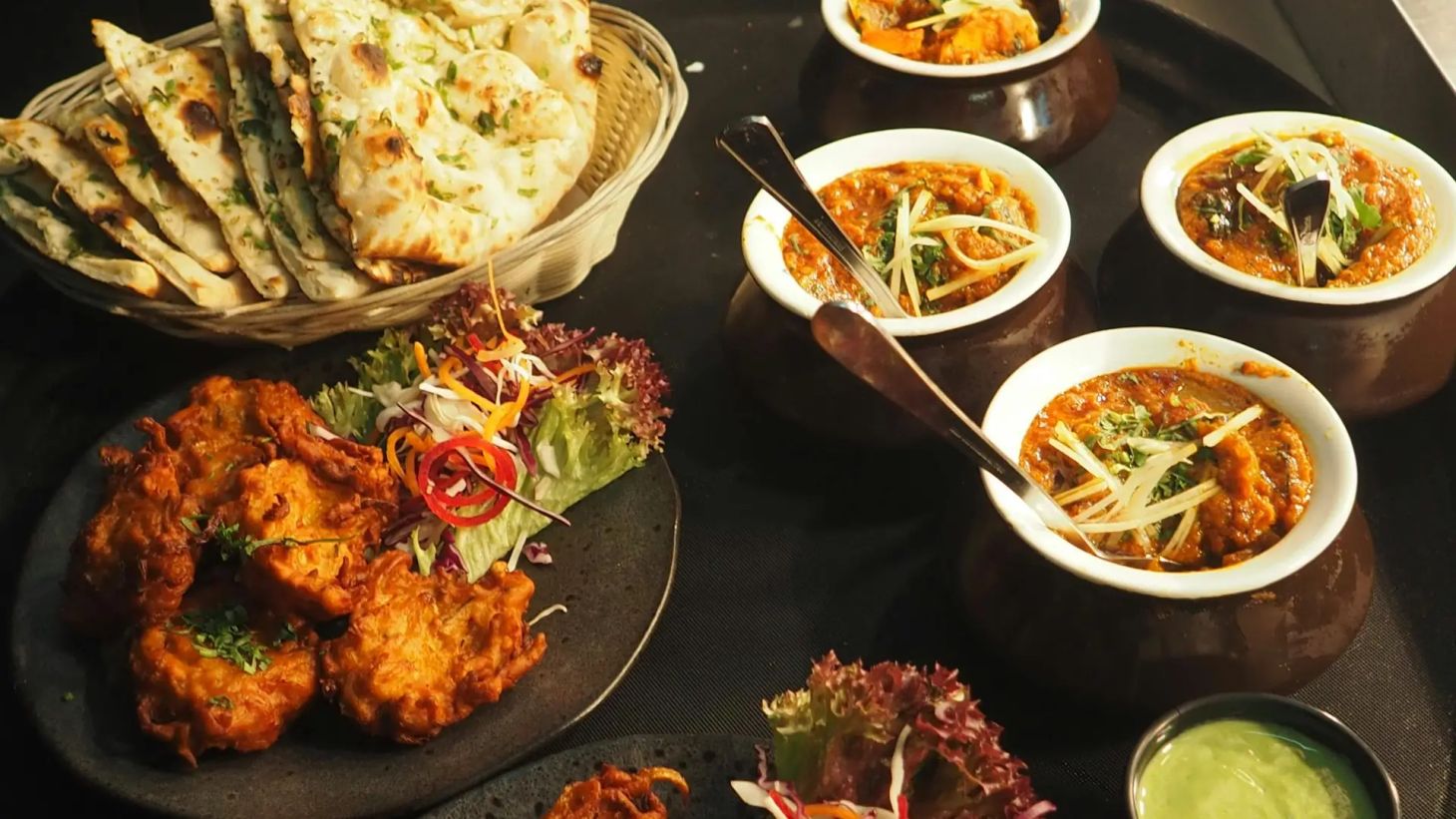
While looking for current updates on the Sikh Farmers' Protests, I came across Simi Kang's excerpt from "My Ancestors Knew That a Revolution Must Be Fed." It's a wonderful piece on how food can reconnect people in the diaspora with their cultural heritage and political history.
Kang describes growing up as a mixed-race Sikh American who felt distant from her Punjabi roots. Through cooking and remembering family recipes—especially those learned from her grandmother—she began rebuilding a relationship with her heritage. She also links food to the Indian farmers’ protests. Overall, she makes a compelling statement that food is more than just for eating—it's a way to preserve history, reclaim identity, and build collective resistance and community across generations.
Here's the complete excerpt and also a brief snippet below:
"When the Farmers’ Protest began, I knew that I had to learn more about my community’s histories and our present. While I continue to negotiate my own and others’ complicated relationship with my identities, in 2020 it became clear to me that because I am descended of the Punjab, I am of every farming family who remade their lives at the morcha. I knew it was important that I understand and value what they are risking their lives for.
While the protestors ached to return to their already emaciated land, I tried to understand the Sikh precepts that kept them away from home for more than a year. Lighting a candle, I pulled out books that I had borrowed from but never returned to my father, reading about our history at my altar with my ancestors.
Then, I would cook. Adding onion, garlic, ginger, and tomato to my pressure cooker before choosing what dal or sabji to add to what a friend called “Punjabi mirepoix,” I stirred the texts and what came through at my altar into every step of my meal, testing out Punjabi words in the safety of my home, my cat Loui the only witness to my linguistic incompetence.
As I brought our precepts and histories into conversation with our foodways, I was reminded that responding to injustice is Sikhs’ duty: to see someone in distress and do nothing is to fly in the face of every teaching our gurus had cultivated across ten generations and a myriad of revolutions.
I would put ingredients or a bite of the finished product on my altar. A way to share, remember, and create across time, space, and tangibility. We all ate well. We ate together."
Punjab Now and Then Newsletter
Join the newsletter to receive the latest updates in your inbox.