Book Review | In Pursuit of Empire
Here's my book review of Davinder Toor's Pursuit of Empire sharing his amazing collection from the Sikh Empire.
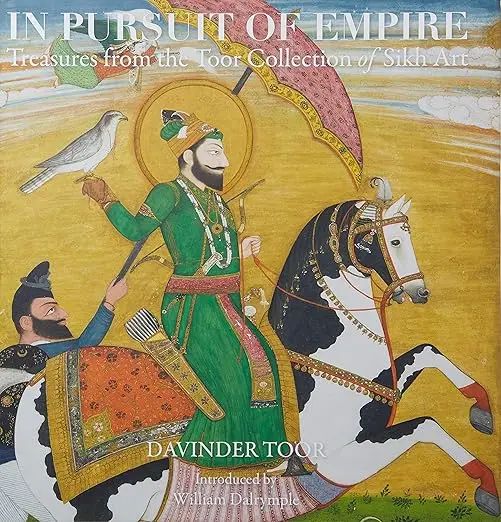
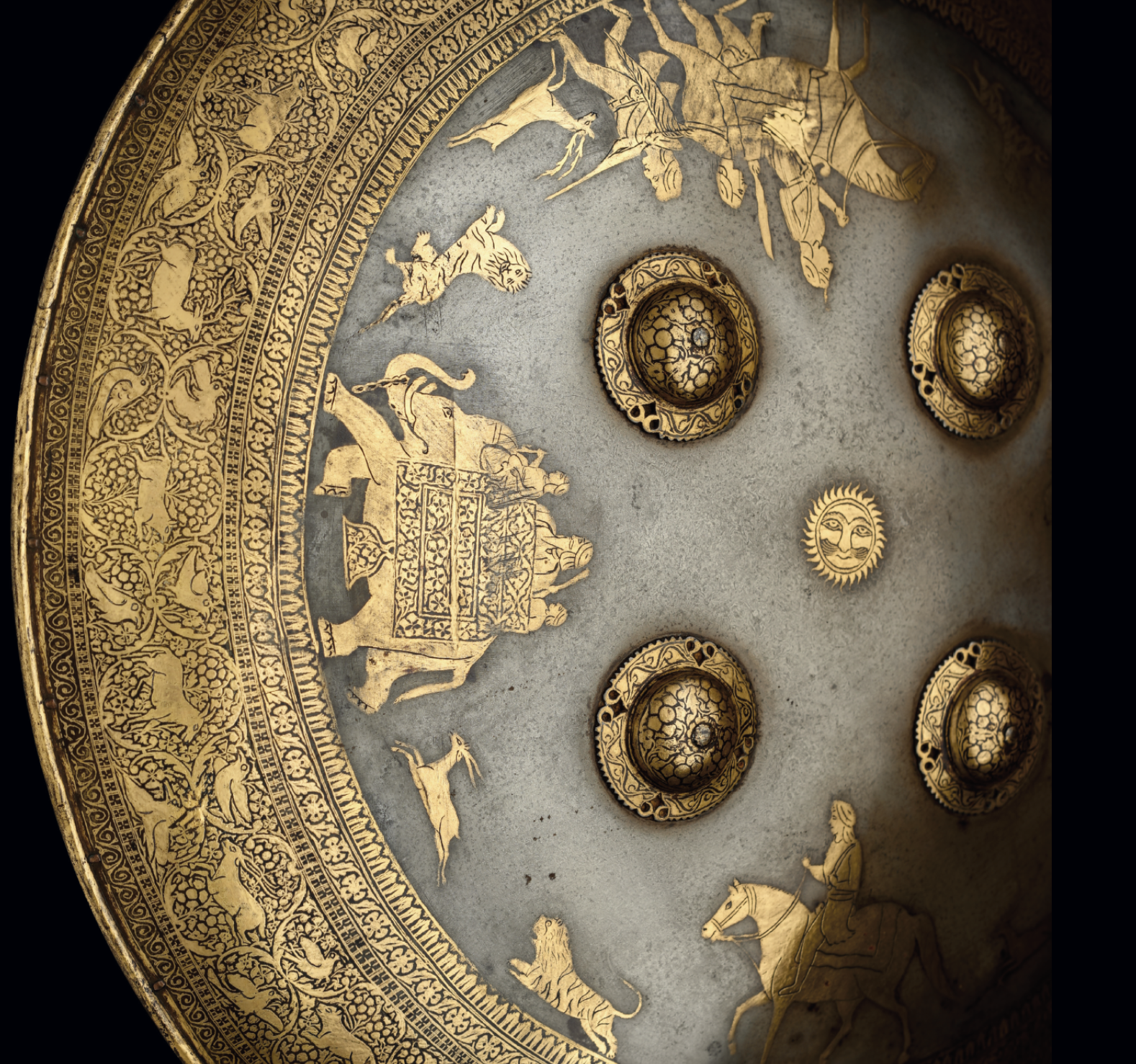
The Toor Collection is one of the world's most distinguished private collections of Sikh art. Its owner, Davinder Toor, has spent years assembling an extraordinary array of artifacts, paintings, manuscripts, textiles, weapons, and jewelry acquired through international auctions. While much of the collection centers on the Sikh Empire (1799–1849), it also spans earlier eras of the Sikh Gurus and into the meticulous photography of the 19th century. Ironically, many of Toor’s acquisitions originate from British auction houses—the very nation that seized these treasures as spoils of war following the fall of the Sikh Empire in 1849.
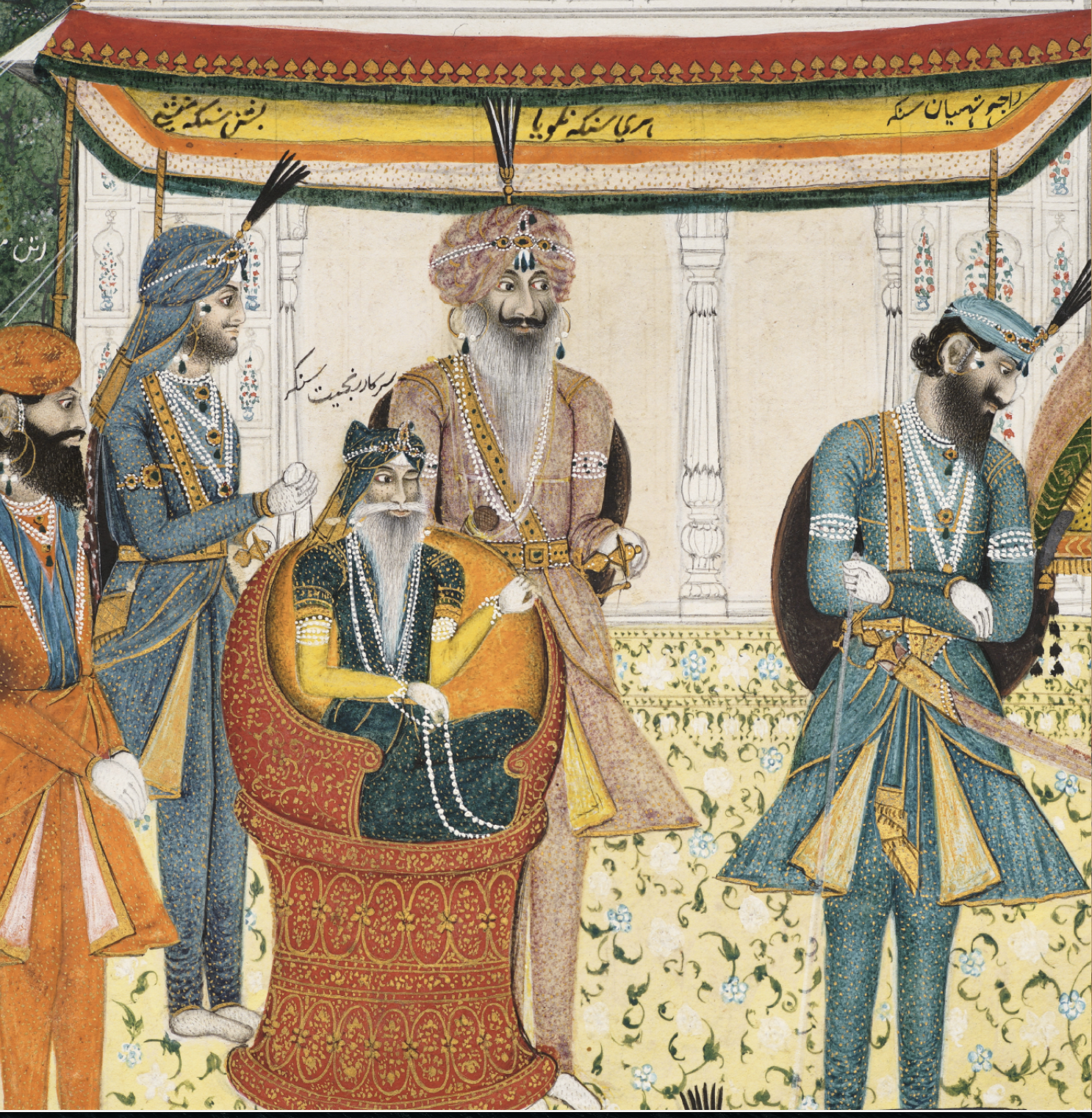
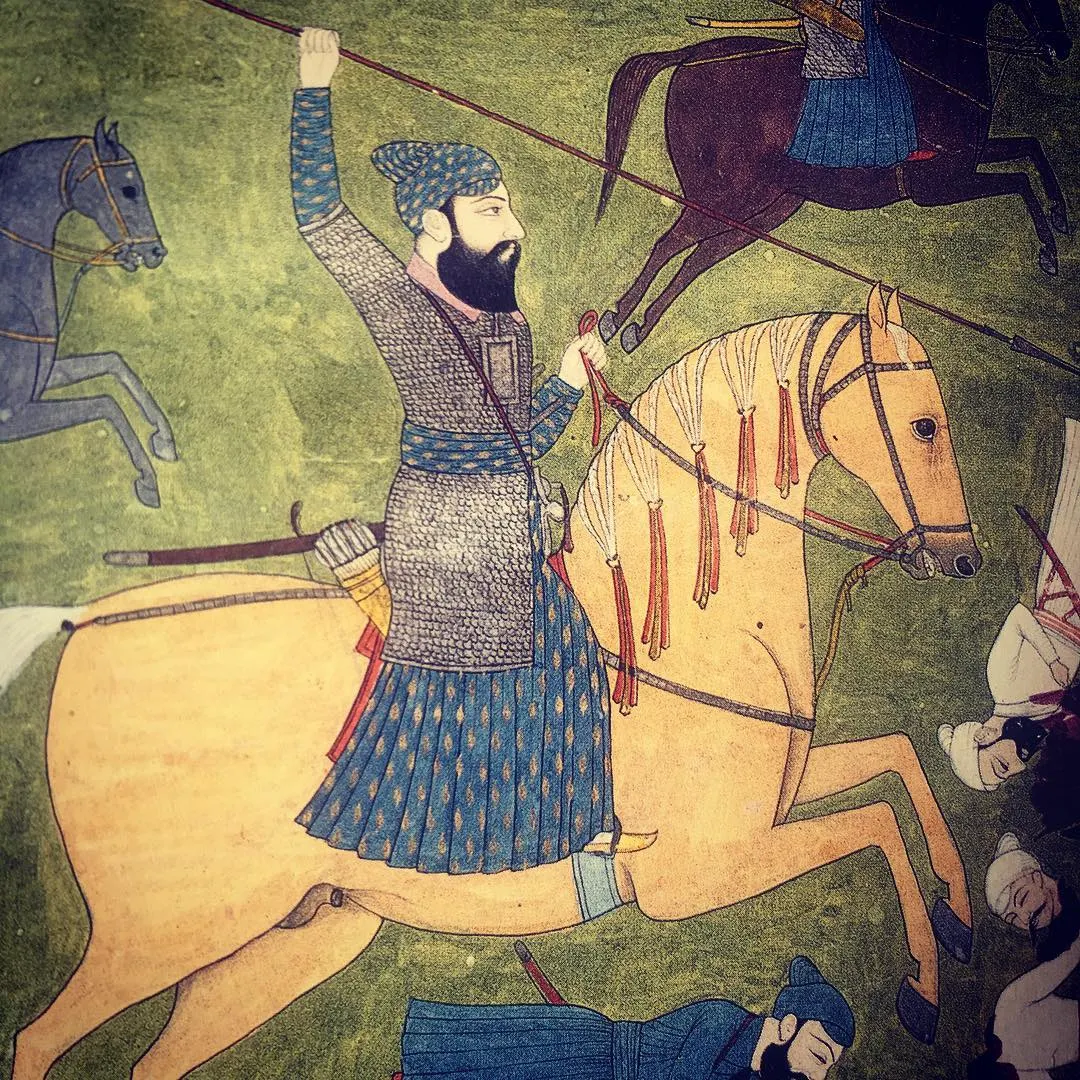
Some have been fortunate to experience Davinder Toor’s collection in recent public exhibitions, but for those who haven't, they can bring that experience home with his visually stunning coffee table book, In Pursuit of Empire: Treasures from the Toor Collection of Sikh Art. The large print format bursts with full-page color reproductions that capture every exquisite detail—from jewel-encrusted swords and rare portraits to sweeping depictions of epic battles. Its narrative is both scholarly and accessible, enriched by high-quality photography that brings the Sikh Empire to life.
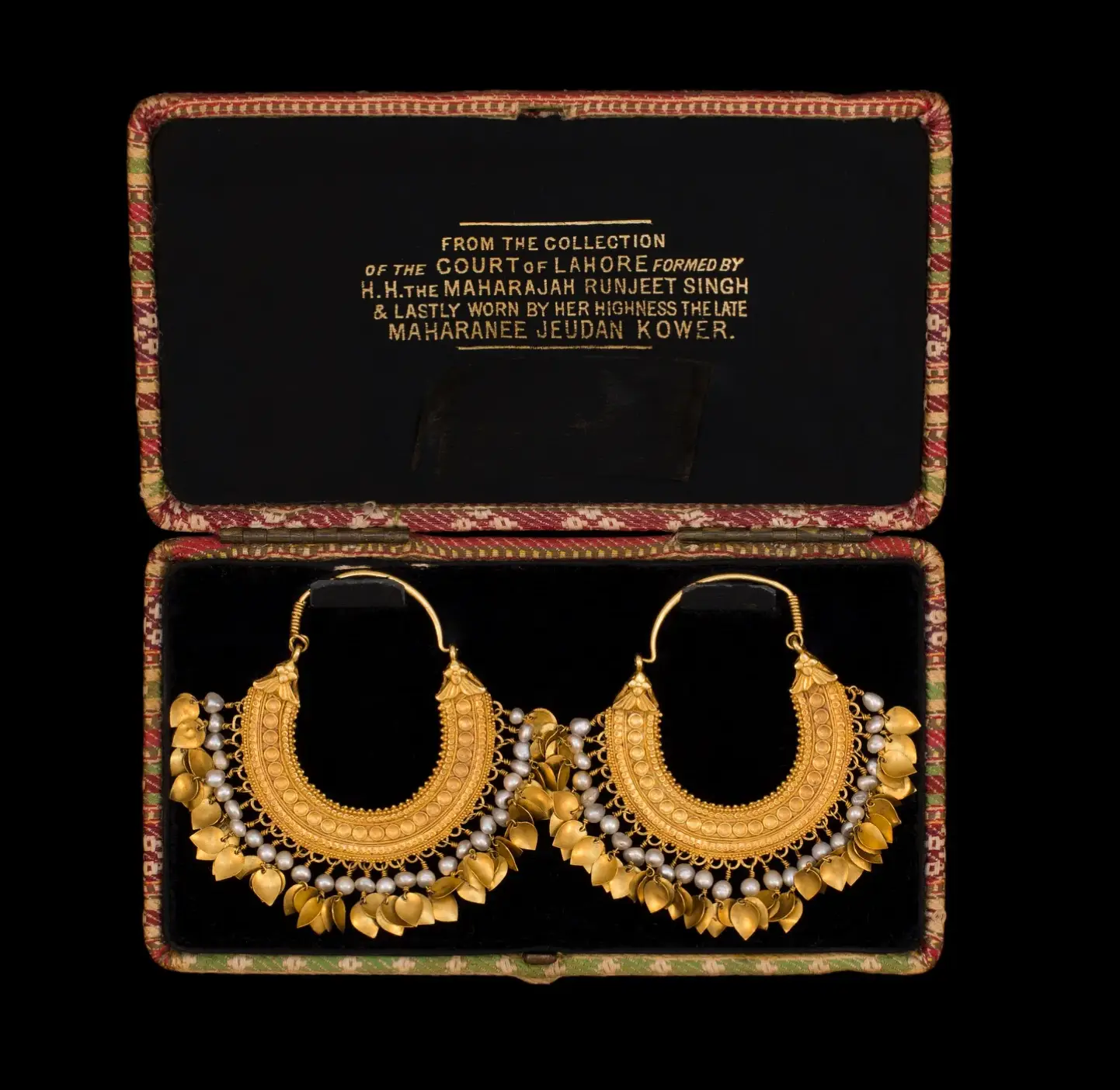
Toor’s book is a significant contribution to Sikh heritage, offering a deeper appreciation of the Empire’s cultural and artistic legacy. With thoughtful comments and striking visuals, he makes that brief yet extraordinary moment of Sikh sovereignty vividly real, found lacking in text heavy historical narratives. And by consolidating his collection into this single volume, Toor has made it possible for readers to appreciate and learn about Sikh history without needing to travel to distant museums in Punjab or London. For those that love history and learning about other cultures, it's the ideal gateway to reach a wider audience that may not have been aware of the Sikh Empire beforehand.
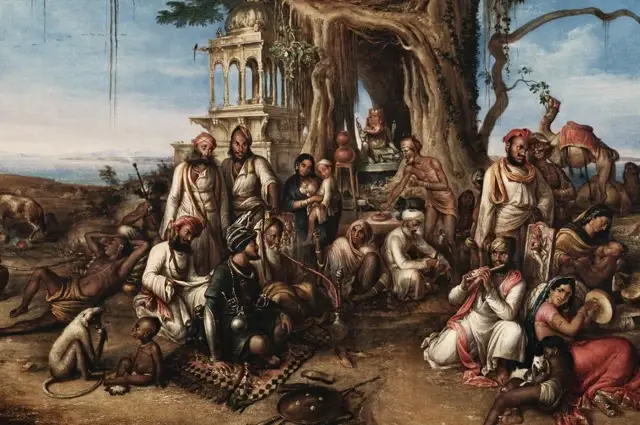
I personally spent hours leafing through it over multiple nights. I often revisit its pages to get lost in that world again, and use it as a reference book for my screenplay based on Maharaja Ranjit Singh. Most of all, I find it an invaluable resource depicting all of the once lost treasures and arts of the magnificent Sikh Empire that future generations can appreciate, its legacy secure within these pages.
Punjab Now and Then Newsletter
Join the newsletter to receive the latest updates in your inbox.