Post Partition River and Language Concerns | Part 2 of 2
Here's part II's excerpt from my book about Punjab's rivers and having Punjabi recognized as the state language post Partition.
Here's Part 1 of 2.
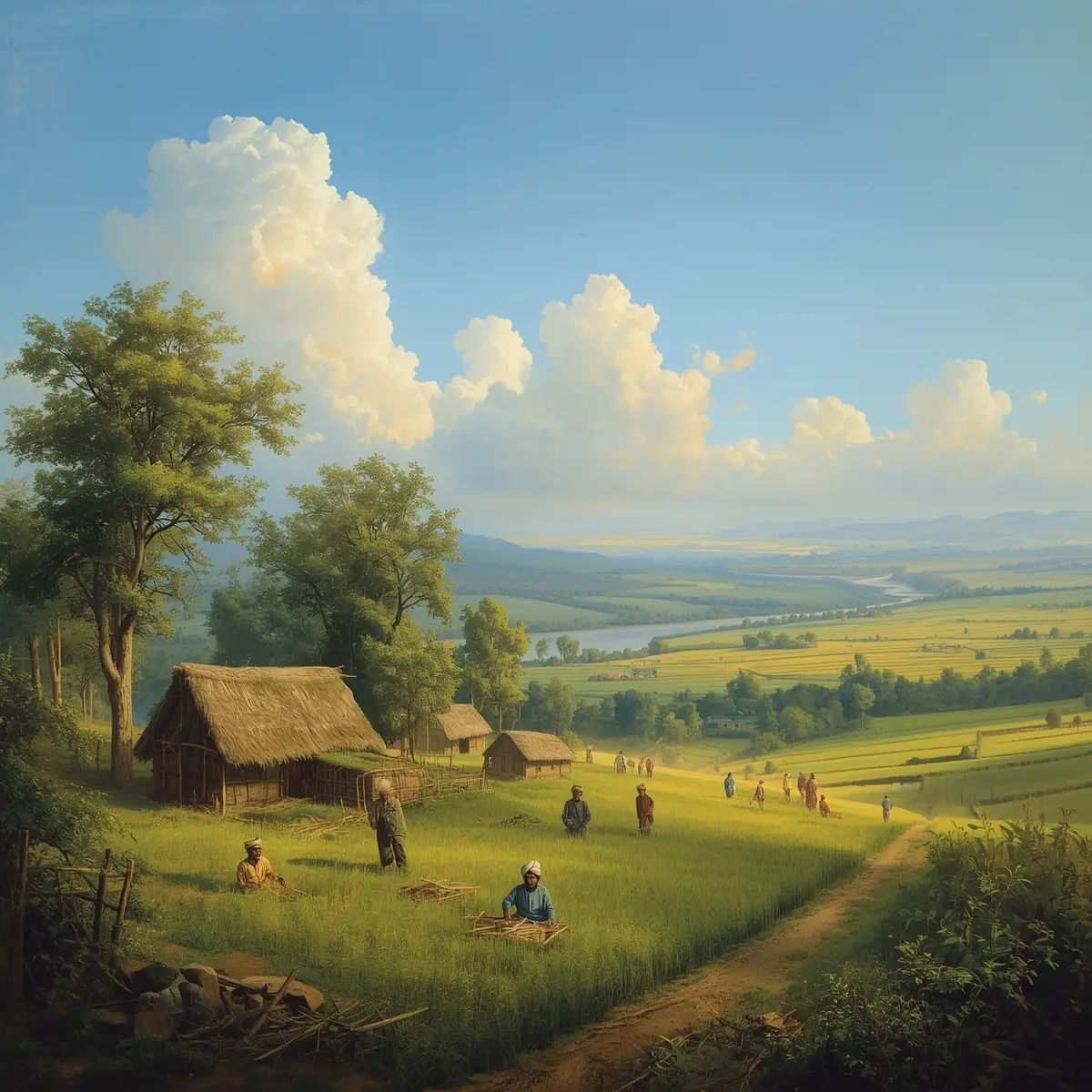
And there were other compromises. Punjab was given minimal autonomy, and the Indian government took control of important power and irrigation projects in the region. “Punjab” means “The Land of the Five Waters,” in honor of its five rivers—Jhelum, Beas, Sutlej, Chenab, and Ravi—that traverse the region’s golden, rolling farmlands. The five rivers are the heart and soul of the agricultural industries in both India and Pakistan and like the land, the waters were also divided by 1947’s Partition. Three rivers flow through India’s Punjab, while the other two are in Pakistan.
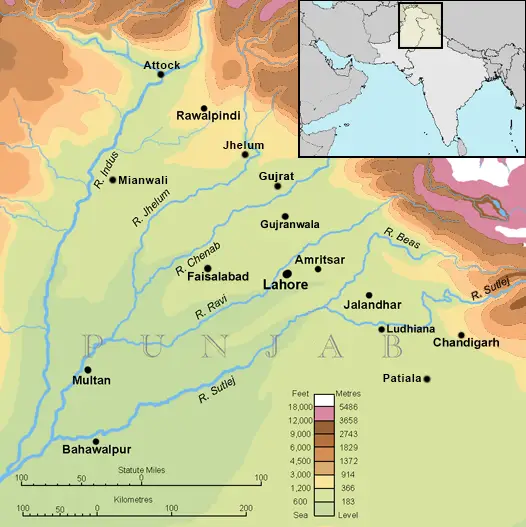
The Indus Water Treaty of 1960, negotiated with the help of the World Bank, gave control of the three eastern rivers (the Beas, Ravi, Sutlej) to India and the three western rivers (the Indus, Chenab, Jhelum) to Pakistan. After the restructure of Punjab in 1966, India rerouted a staggering 76 percent of water from the Beas, Sutlej, and Ravi Rivers to provide drinking water and irrigation to Haryana and Rajasthan, reducing the rivers’ flow through Punjab to only 24 percent—much to the outrage of the Sikh community. To many Punjabis, especially the farming community who depend heavily on these waters for irrigation, this allocation seemed unjust and unnecessary.
Once the rivers were reorganized, Prime Minister Indira Gandhi implemented the Green Revolution program—a plan to combat food shortages and famine by modernizing and industrializing India’s farms with high-yield seeds, new machinery and technology, and pesticides and fertilizers. Irrigation was key, so states with ready access to water, including Punjab, Haryana, and Uttar Pradesh, became the sites for the new agricultural initiatives. The Green Revolution was an instant, shocking success that changed Punjab almost overnight. Wheat was already a common crop in Punjab, but soon Punjabi farmers were also tending rice paddy fields, and by the mid 1970s, Punjab was producing the majority of India’s grain, an astounding outcome for a state that is home to only 2 percent of the country’s total population and has a smaller landmass than nineteen of India's thirty-one states.
The project’s initial success brought more investment, and Punjabi farmers were made wealthy overnight, but these financial profits weren't fairly distributed. The majority of the gains were hoarded by the wealthiest landowners, who were best positioned to purchase the emerging technologies. This outcome dealt a severe blow to Punjab's smaller farmers, who were unable to compete; many were forced to give up their land. Farm laborers were left with only minor benefits. This growing inequity in the region conflicted with Sikh values, which preached economic justice and fair distribution of wealth.
Although the Green Revolution’s intent was to improve farming productivity, it couldn't sustain this increased output over a prolonged period of time because Punjab’s rivers had been diverted to other states and rice paddies require a tremendous amount of water. Tube wells were added beneath the soil (a long stainless steel tube or pipe is bored into the earth to access groundwater) to meet the demands of Punjab’s new blockbuster crop, but this depleted groundwater tables. Meanwhile, as fresh water supplies were dwindling, fertilizers and pesticides were accumulating in abundance, and Punjab’s soil and groundwater were enriched with heavy metals like arsenic, selenium, and uranium, which likely account for the region's current surging cancer rates, along with polluted waterways and killing of beneficial insects and wildlife. And while India's population booms, the need for Punjab’s grain has only increased. Scientists now fear that by 2040 Punjab may actually become a desert state, and the race is on to find crops to replace the water-hungry rice.
If the great rivers of Punjab run dry, the loss will be felt across India, but for Sikhs it will have a special resonance—their history and faith are inseparable from the five rivers that once defined their homeland. Sikhs defended, developed, and cultivated Punjab’s plains for centuries. The Sikhs faced mass exodus during Partition, when half of their homeland was carved away; their land was partitioned yet again less than twenty years later, and their rivers were rerouted away from their remaining fields. All of this sowed the seeds of discontent that blossomed in the separatist movement of the late 1970s.
Punjab Now and Then Newsletter
Join the newsletter to receive the latest updates in your inbox.